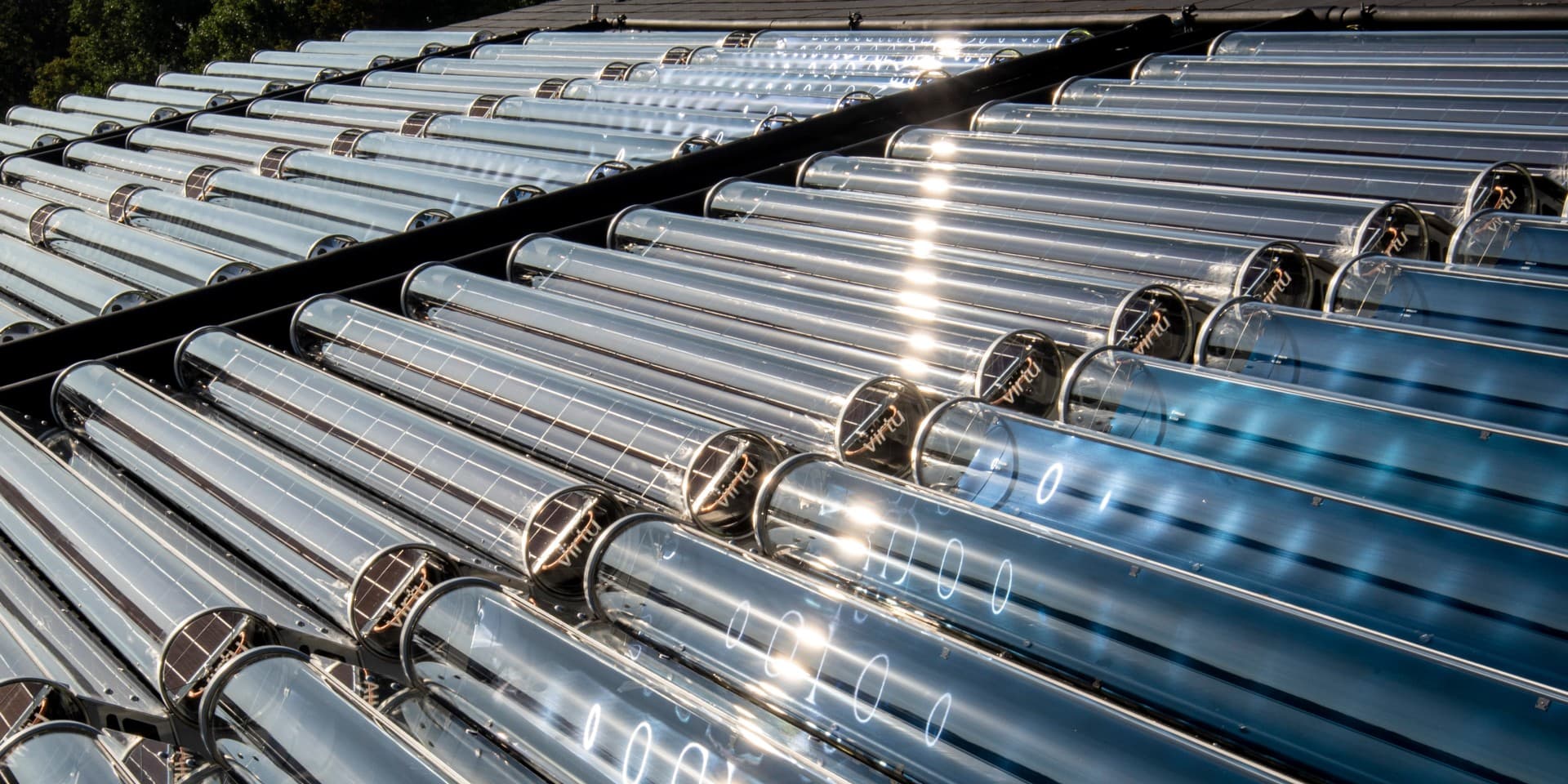
The Heat Pipe is a passive thermal device used to transfer heat from one air stream to another (typically in energy recovery systems), helping to optimize cooling or heating load.
Repair vs Replacement:
Repair:
Leaks or blockages in the heat pipe can often be repaired by welding or sealing the leaks and flushing the system to clear blockages.
If the insulation around the pipe is damaged, it can be repaired or replaced.
Recharging the refrigerant may be needed if the system is losing efficiency due to low refrigerant levels.
Replacement:
If the pipe structure is corroded or beyond repair (e.g., extensive damage or leaks), it is typically more cost-effective to replace it.
If the heat pipe is old and performance degradation is irreversible, replacement is recommended.
Repair Process:
Leak Detection: Use nitrogen pressure testing or dye injection to detect leaks in the heat pipe.
Welding/Sealing: Repair any leaks by welding or using appropriate sealants.
Flushing: Flush the internal channels to clear any blockages (dirt, scale, etc.).
Recharging Fluid: Recharge the system with the appropriate heat transfer fluid or refrigerant.
Testing: Perform performance tests to verify the heat pipe’s efficiency.
Replacement Process:
Removal of Old Pipe: Carefully remove the damaged heat pipe.
Install New Heat Pipe: Position and connect the new heat pipe to the existing system.
Re-charge Fluid: Ensure that the new system is properly charged with the required heat transfer medium.
Testing: Perform tests to check for efficient heat transfer and operational performance.