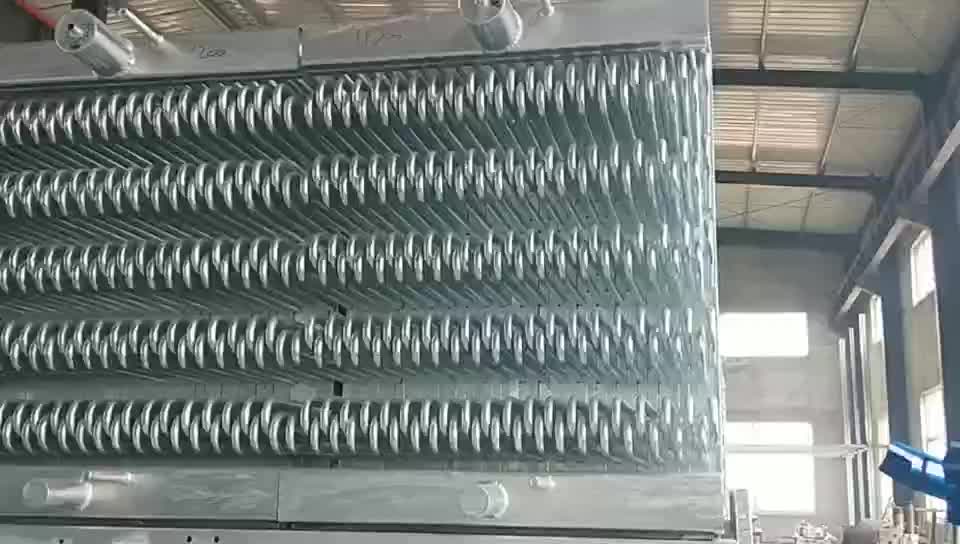
Cooling coils in AHUs and FAHUs use chilled water or refrigerant to cool the air as it passes through, and can accumulate dirt, grime, or experience damage that reduces performance.
Repair vs Replacement:
Repair:
If the coil is clogged with dirt, dust, or other debris, cleaning is often enough to restore function.
Small leaks in the coil’s refrigerant lines can often be sealed or brazed, restoring functionality.
Minor corrosion can sometimes be treated with anti-corrosion coatings or repaired by brazing.
Replacement:
If the coil is severely leaking, or physically damaged beyond repair, a replacement may be necessary.
If the coil is rusted or corroded beyond a certain point (often in the case of older units), replacement will restore efficiency.
If the coil doesn’t meet the system's efficiency requirements after multiple repairs, replacing it with a more energy-efficient model is advisable.
Repair Process:
Inspection and Leak Detection: Inspect the coil for refrigerant leaks or damage.
Cleaning: Clean the coil fins and tubes with pressure washers or chemical cleaners to remove dirt and grime.
Sealing Leaks: Repair small leaks by brazing or welding the affected areas.
Flushing: Flush the coil to clear blockages and ensure the refrigerant or chilled water circulates properly.
Pressure Test: Ensure there are no further leaks after repairs.
Replacement Process:
Remove the Old Coil:Disconnect the old coil, including refrigerant lines or water connections.
Install New Coil: Install the new cooling coil, ensuring proper connections and seals.
System Recharging: Refill the refrigerant or chilled water system if necessary.
Testing: Perform operational tests to verify that the new coil is functioning optimally.